
New Technologies Will Change the Future of Facility Services
The Future of Facility Services: How New Technologies Are Transforming the Industry
Innovation drives success in any industry. Staying ahead means adopting new technologies that improve efficiency, enhance safety & elevate overall service quality. The facility services industry is no exception. Advancements in automation, AI & sustainable cleaning methods are reshaping how buildings are maintained—delivering measurable results & a healthier environment.
Autonomous Robotics: Precision & Efficiency
Automated cleaning robots are revolutionizing facility maintenance by reducing human exposure in high-risk areas while optimizing sanitation. These computer-controlled machines scrub surfaces, apply disinfectant & navigate pre-programmed routes to ensure complete coverage. With robotics, the margin for human error disappears, delivering a consistent, high-quality clean every time.

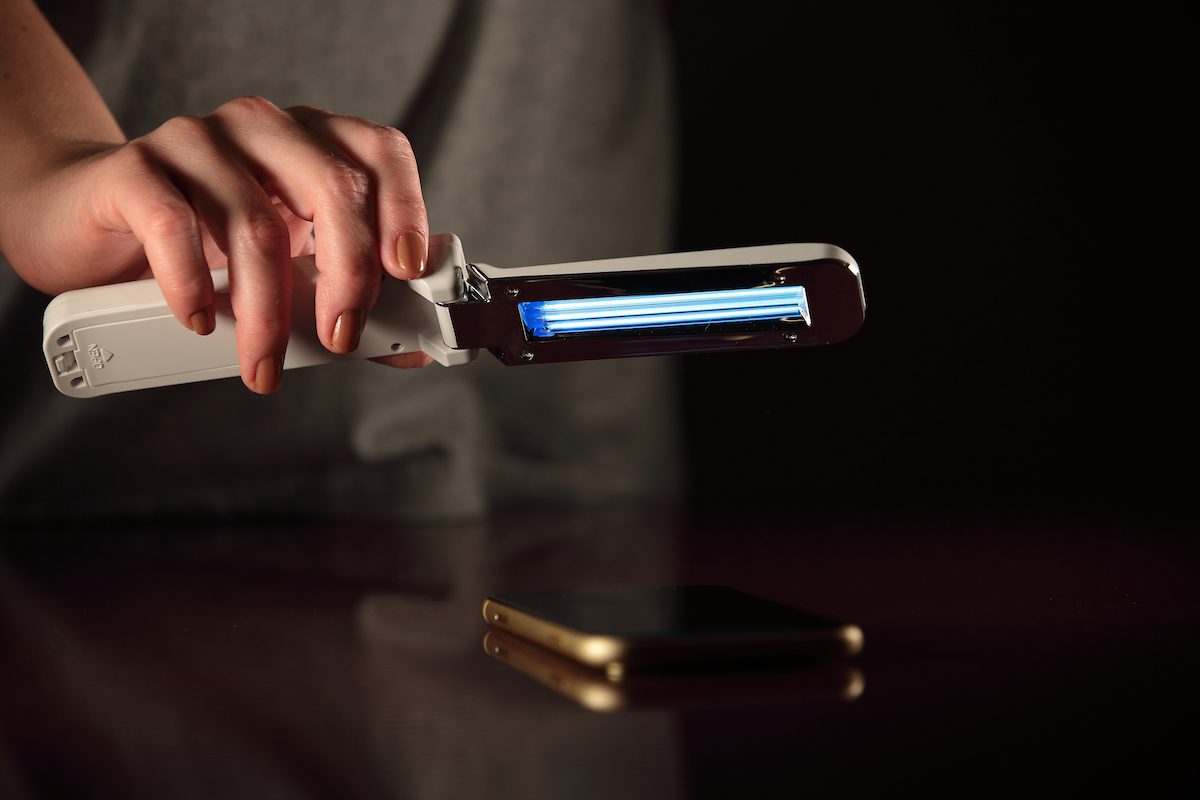
Ultraviolet Cleaning Devices: Chemical-Free Disinfection
UV technology is redefines disinfection in commercial spaces. Ultraviolet light neutralizes bacteria & viruses on high-touch surfaces, creating a safer environment without chemical use. When paired with robotic cleaning solutions, UV light provides an extra layer of protection, comparatively making it one of the most efficient & sustainable disinfection methods available today.
AI-Driven Quality Control: Smarter Facility Management
Facility services go beyond cleaning—they require precision, accountability & continuous improvement. AI-powered quality control systems collect & analyze real-time data to measure service effectiveness. These systems detect patterns, predict potential issues & ensure compliance with hygiene standards, all without human bias. Because of AI, quality assurance can become proactive rather than reactive.
Technology is reshapes facility management to enhance safety, efficiency & sustainability. These innovations are setting new industry standards, helping businesses maintain cleaner, healthier spaces with greater confidence.
Sustainability at the Forefront
Advancements in facility services are not just about efficiency—they are also driving sustainability. In addition to green cleaning solutions, energy-efficient equipment & water-saving technologies are minimizing environmental impact while maintaining high standards of cleanliness. Businesses now have access to eco-friendly alternatives that reduce chemical usage, improve indoor air quality & align with corporate sustainability goals.
Smart Sensors & IoT Integration
The Internet of Things (IoT) is playing a major role in facility management, because it offers minute to minute monitoring & auto adjustments to optimize cleaning schedules, air quality & resource consumption. Smart sensors detect occupancy patterns & contamination levels, ensuring high-traffic areas receive targeted attention. By integrating IoT technology, facility services become more adaptive, reducing waste & improving operational efficiency.
Electrostatic Spraying: Next-Level Disinfection
Electrostatic spraying technology takes clean to the next level by evenly coating surfaces with a charged disinfectant mist. This method ensures complete coverage, even in hard-to-reach areas, which is shown to reduce the spread of germs & increase overall protection. By using this advanced application, facilities can maintain a consistently high level of sanitation, meeting progressive expectations of employees, customers & visitors.
A Future Built on Innovation
Facility services continue to evolve, to emphasize cutting-edge technologies & deliver better results. For this reason, businesses that invest in these growth gain a competitive edge by ensure healthier, more efficient environments. The future of facility management is driven by innovation—those who embrace it will redefine industry standards & set new touch points for excellence.
For ongoing updates on the latest trends in facility services, stay connected on LinkedIn.
